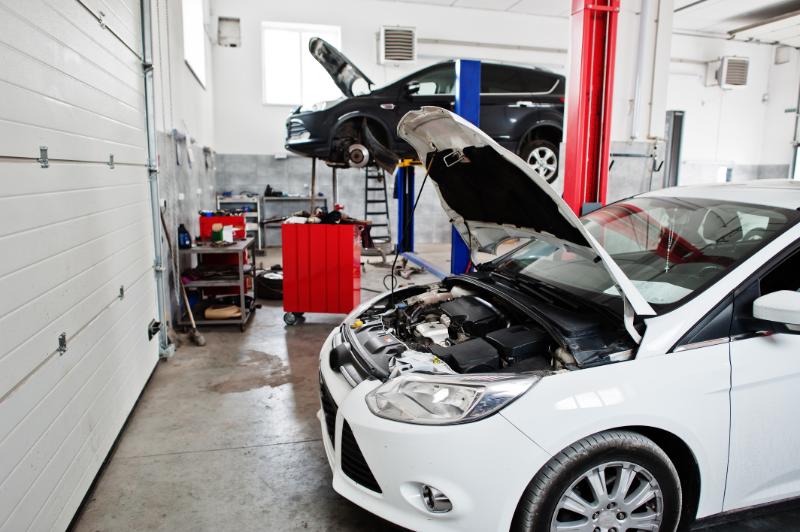
Nothing creates lasting family memories quite like a road trip. Whether you’re heading to the beach, the mountains, or visiting relatives for the weekend, the last thing you want is to deal with a breakdown hundreds of miles from home. Before loading the luggage and snacks into the car, it’s worth making sure your vehicle is ready for the journey. Scheduling a visit with a trusted auto repair La Mesa shop before a long drive can help identify small issues before they become expensive roadside emergencies.
The good news is that preparing your vehicle doesn’t have to be complicated. A few simple maintenance checks can go a long way toward making your trip safer, more comfortable, and far less stressful.
Start With Your Tires
Your tires are the only part of your vehicle that touches the road, making them one of the most important safety components.
Before leaving, inspect each tire for uneven wear, cracks, or objects embedded in the tread. Check the tire pressure when the tires are cold and inflate them according to the manufacturer’s recommended pressure listed on the driver’s door jamb.
Don’t forget the spare tire. Many drivers only discover it’s flat after getting a flat on the highway.
Properly inflated tires improve handling, increase fuel economy, and reduce the risk of blowouts during long highway drives. Tire pressure and tread are among the most important items to check before a road trip.
Check All Fluid Levels
Modern vehicles rely on several different fluids to operate properly.
Before your trip, inspect:
- Engine oil
- Engine coolant
- Brake fluid
- Transmission fluid (if applicable)
- Windshield washer fluid
- Power steering fluid (for vehicles equipped with hydraulic steering)
Low fluid levels can lead to overheating, poor braking performance, or unnecessary wear on major components.
If your oil change is coming due soon, it’s often better to have it completed before leaving rather than halfway through your vacation.
Test the Battery
Batteries often fail without much warning, especially during periods of extreme heat or cold.
If your battery is more than three or four years old, consider having it tested before your trip. Many repair shops can perform a battery health test in just a few minutes.
Replacing a weak battery at home is much easier than waiting for roadside assistance in an unfamiliar town.
Inspect Your Brakes
Long drives often include heavy traffic, mountain roads, and unexpected stops.
Listen for squeaking, grinding, or vibrations while braking. If you’ve noticed any of these warning signs recently, schedule an inspection before your trip.
Brake pads, rotors, and brake fluid all play an important role in keeping your family safe.
Make Sure Every Light Works
Walk around your vehicle and check:
- Headlights
- Brake lights
- Turn signals
- Reverse lights
- Hazard lights
A burned-out bulb is an inexpensive repair, but it can become a safety issue during nighttime driving or bad weather.
Replace Worn Wiper Blades
Many drivers forget about windshield wipers until they’re caught in heavy rain.
If your wipers leave streaks, skip across the windshield, or make excessive noise, replace them before leaving.
Clear visibility is essential, especially during unexpected summer storms or long highway drives.
Pack a Basic Emergency Kit
Even a well-maintained vehicle can experience unexpected problems.
A simple emergency kit should include:
- Jumper cables or a portable jump starter
- Flashlight
- First aid kit
- Tire pressure gauge
- Basic hand tools
- Bottled water
- Phone charging cable
- Reflective warning triangles or road flares
These supplies don’t take up much space but can make a significant difference if something unexpected happens.
Many experienced road trippers also recommend carrying a portable tire inflator and basic recovery items for added peace of mind.
Keep Your Vehicle Organized
Family road trips usually involve luggage, snacks, toys, electronics, and sports equipment.
Take a few minutes to organize everything before leaving.
Store heavier items low in the cargo area so they don’t shift while driving. Keep emergency supplies easy to reach, and avoid stacking luggage high enough to block your rear visibility.
An organized vehicle makes long drives more comfortable and helps reduce distractions.
Schedule a Pre-Trip Inspection
One of the easiest ways to avoid unexpected breakdowns is to have your vehicle professionally inspected before a long journey.
A technician can identify worn belts, aging batteries, fluid leaks, brake wear, and other issues that may not be obvious during everyday driving.
Most inspections take less than an hour and can provide valuable peace of mind before spending days on the road.
Enjoy the Journey
Road trips are about spending quality time together, discovering new places, and making memories that last for years. A little preparation before you leave can help ensure the only surprises you encounter are scenic overlooks and hidden roadside attractions—not unexpected mechanical problems.
By checking your tires, fluids, brakes, battery, lights, and other essential systems before you head out, you’ll greatly reduce the chances of your vacation being interrupted by a preventable breakdown. With your vehicle ready for the miles ahead, you can focus on what matters most: enjoying the adventure with the people you love.